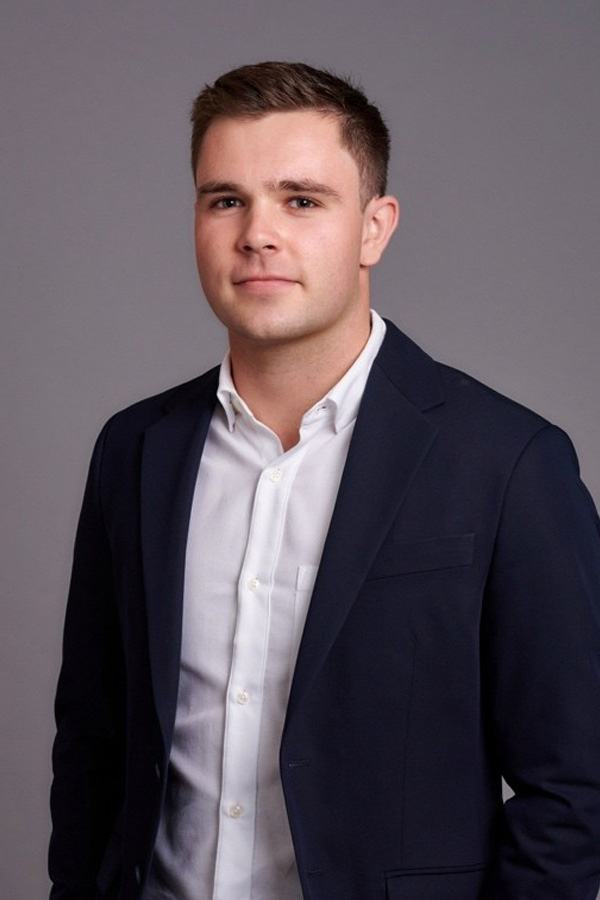
Callum Walsh is a Project Manager at Colliers Project Leaders in Auckland. He studied a Bachelor of Property (BProp) at the University of Auckland, and is the Deputy Chair of the Young Professional Advisors Group at the Building Institute Aotearoa. Callum has always had an interest in construction and development, and seeing ideas come to life as finished buildings that people can actually use.
Callum works primarily on high-density residential projects, managing the different parties involved in delivering a project and ensuring everything stays aligned in terms of design, programme and cost. He says, “In many ways, you end up being the glue when everything seems to be falling apart.” No two workdays are the same. Callum can be onsite working through design items with the contractor, reviewing progress or communicating with stakeholders. Or in the office, working with design reviews and managing commercial and contract risks and deliverables. He likens the job of project manager to being a jack-of-all-trades, which is why he finds his role so rewarding. “It is essential to have a working understanding of design, construction, commercial and management to bring everything together,” he says.
While studying at the University of Auckland, Callum also worked as a labourer on commercial sites. The experience cemented his interest in the built environment and allowed him to pursue a career as a project manager. “After interacting with a project manager from Colliers Project Leaders (Greenstone Group at the time) at the site where I was working, I wanted to learn more about the role, so I ended up calling the reception at Colliers Project Leaders, and the rest is history.”
Once Callum started working in the industry, it became clear how collaborative it was and how many different disciplines were involved in delivering a project. He works with clients, councils, consultants and contractors, and adds that he quickly learnt the importance of having a bit of thick skin. Working alongside experienced consultants and contractors early in his career has helped shape how he approaches projects and interacts with people across the industry.
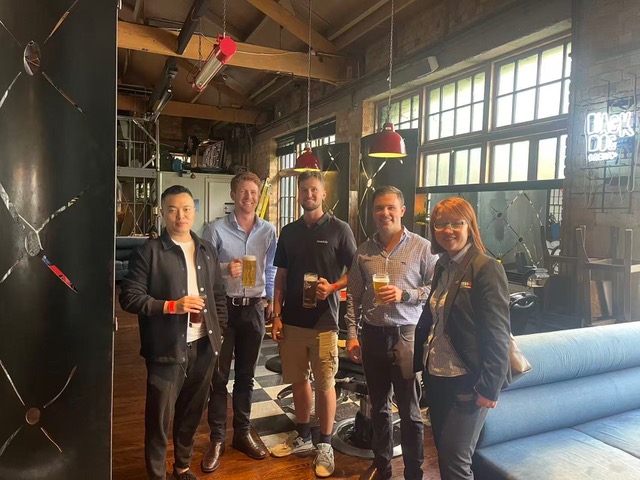
Callum says that being involved with the Institute, particularly through the Young Professionals Advisors Group, has been a great way to connect with others across the industry. “It is easy to stay within your own company or project environment. The Institute provides opportunities to meet people working in different roles and parts of the sector who you might not normally interact with. It creates long-term value through networking and shared experiences.” He has found organising events and engaging with students and early career professionals really rewarding, and hopes that new people coming into the industry will get to experience the same opportunities he was fortunate enough to have.
What Callum values most about the Institute is the sense of connection across the industry. He says that while the construction industry can appear very technical from the outside, a lot of the work is actually about teamwork and problem-solving between different disciplines. “The Institute brings people together from across the built environment, creating a great platform to share experiences and learn from others. The industry is broad and includes many professions and trades, so it is valuable to step outside of the day-to-day project pressures and connect with people on a more personal level. Being a part of the Institute ultimately strengthens relationships and improves how we work together.”
Callum has been at Colliers for five years, and one of the biggest lessons he has learnt in the built environment is the importance of clear communication and following through on what you say you are going to do. “No two projects are the same; each project brings new challenges and learning opportunities. There are a lot of moving parts, and issues often arise when things are not aligned early or when trust is not there within the team. Respecting onsite workers, getting the right people involved early and working through issues collaboratively can make a huge difference to how smoothly a project runs. While things can sometimes become combative, being proactive in resolving issues and working together is key.”
One of the projects that Callum enjoyed being a part of was the upgrade to facilities at Eden Park for the FIFA Women’s World Cup 2023 and the Women’s Rugby World Cup 2021. He has been involved in the delivery of a range of projects across the built environment, including the 115-lot residential subdivision, Caldera Apartments, and, most recently, a high-end retirement village development in Parnell.
“It is always rewarding to see a project move from early design through to completion. When people move into homes or start using facilities that were once just drawings on paper, it really highlights the impact of the work, and also how much effort goes into delivering projects that most people never see,” says Callum.
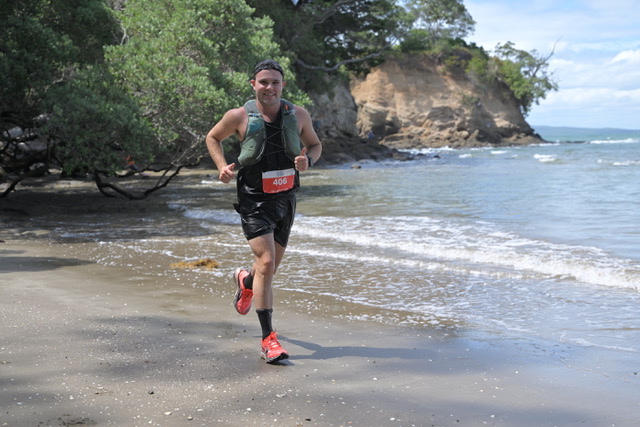
Outside of work, Callum spends a lot of time running, training for endurance events, and getting out on the water to surf-ski when he can. He enjoys marathons and long-distance running and says it is a great way to switch off and stay active. This year, he is combining his interest in travelling and running by training for the Berlin Marathon in September 2026.
Callum’s advice to anyone who is thinking about a career in the built environment is to show initiative and try to get exposure to as many parts of the industry as possible early in your career. He adds, “The built environment covers a wide range of disciplines, so developing a broad understanding of how projects come together is really valuable. Also, take the opportunity to connect with people in the industry, as relationships and learning from others go a long way.”