
Time and Date(s)
11/06/2026 at 5:00 PM ⇢ 11/06/2026 at 7:00 PM
Description
This panel brings together leading voices from across the construction industry to explore when Modern Methods of Construction (MMC) deliver real value in practice. Drawing on contractor, client, digital, legal, and regulatory perspectives, the discussion will unpack the key barriers and enablers shaping MMC adoption in Aotearoa.
Designed for developers, designers, contractors, and consultants, the session focuses on practical insights, real project experience, and what needs to change to enable wider uptake of prefabrication and offsite construction.
Date: Thursday 11 June 2026.
Time: 5.00pm - 7.00pm
Location: LT1, School of Architecture, 139 Vivian Street, Te Aro, Wellington
Cost: Free for Building Institute members & Victoria University of Wellington students & staff | $50 + GST to Non-Members
5.00pm - Registration and networking.
5.30pm - Panel discussion.
6.30pm - Audience Q&A.
7.00pm - Networking and refreshments.
Proudly sponsored by Beca and Victoria University of Wellington.
 |
| 
Pamela Bell
Professor (Advanced Construction), Te Herenga Waka—Victoria University of Wellington
Professor Pamela Bell is a leading figure in construction innovation and education in Aotearoa. Her work focuses on advancing modern construction methods, industry collaboration, and the future of project delivery through research, teaching, and engagement with industry and government.
Pamela has extensive experience working across academia and industry, with a strong focus on bridging the gap between emerging technologies, regulatory frameworks, and practical implementation. She is actively involved in shaping conversations around MMC, digital delivery, and sustainable construction practices, and brings a well-informed, cross-sector perspective to facilitating discussions on the future of the built environment.
Ben Wanklyn
Modern Methods of Construction Manager, Naylor Love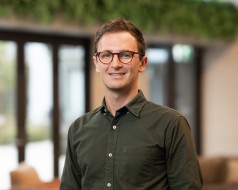
Ben Wanklyn leads Modern Methods of Construction initiatives at Naylor Love, one of New Zealand’s largest commercial construction companies. His role focuses on integrating prefabrication, offsite manufacturing, and innovative construction methodologies into large-scale projects, including complex healthcare and public infrastructure developments such as those for Health New Zealand.
With extensive experience across project delivery, Ben works at the intersection of design, construction, and supply chain coordination to improve efficiency, reduce waste, and manage risk. He brings a practical, contractor-led perspective on the realities of implementing MMC in New Zealand, including challenges around scalability, procurement, and industry capability as well as the opportunities MMC presents for improving productivity and project outcomes.
Louise Wotton
Digital Specialist, Aurecon
Louise Wotton is a digital delivery specialist at Aurecon, with expertise in Building Information Modelling (BIM), digital coordination, and integrated project delivery. Her work focuses on enabling project teams to leverage digital tools to improve collaboration, streamline workflows, and enhance decision-making across the lifecycle of construction projects.
Louise has been involved in a range of complex projects where digital systems play a key role in supporting offsite manufacturing and prefabrication. She brings insight into how digital capability underpins successful MMC adoption, including the role of data, interoperability, and early-stage coordination in reducing risk and enabling more efficient construction outcomes.
David Hume
Senior Lecturer, Construction Law, VUW; Barrister & Arbitrator
David Hume is a construction law specialist with significant experience advising on major infrastructure and development projects across New Zealand and internationally, including the Middle East. As both an academic and practising barrister, his work spans procurement strategy, contract administration, dispute resolution, and risk allocation.
David’s expertise provides a critical lens on the legal and regulatory frameworks shaping the construction industry. He brings particular insight into how liability structures, insurance considerations, and contractual risk influence decisions around adopting MMC. His perspective also includes emerging reforms such as the shift from joint and several liability to proportionate liability, and how these changes may impact innovation, particularly where prefabrication involves offshore supply chains and complex risk profiles.
Karel Boakes
Regulatory Strategy & Policy Manager, Objective; President, BOINZ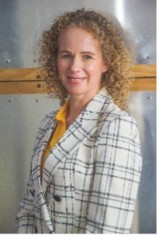
Karel Boakes operates at the intersection of building regulation, policy, and digital transformation. In his role at Objective, he works on solutions that support more efficient and transparent building consent processes, helping to improve the flow of information between councils, designers, and contractors.
As President of the Building Officials Institute of New Zealand (BOINZ), Karel brings a national perspective on regulatory practice and the challenges faced by building consent authorities. He offers valuable insight into how current systems can both enable and constrain innovation, including the barriers MMC faces within consenting frameworks and the opportunities for reform through digital systems and improved regulatory alignment.
Location
LT1, School of Architecture, 139 Vivian Street, Te Aro, Wellington
Restrictions
Public Event
CPD Credits: 3
Regional Panel When does Modern Methods of Construction (MMC) work? | Member
Ticket Price: $0.00 + GST
Tickets Available
Regional Panel When does Modern Methods of Construction (MMC) work? | Non-Member
Ticket Price: $50.00 + GST
Tickets Available
Thank you to all our sponsors for their generous support
National Partner

National Sponsors